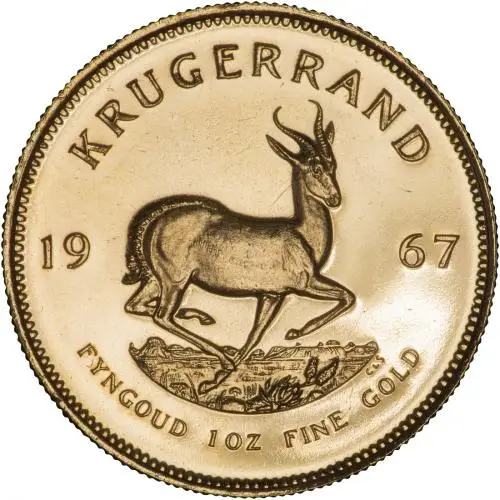
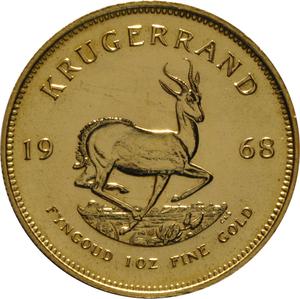
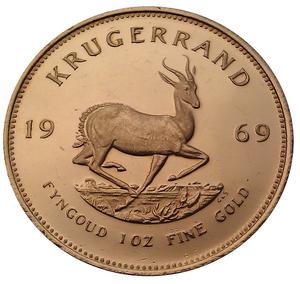
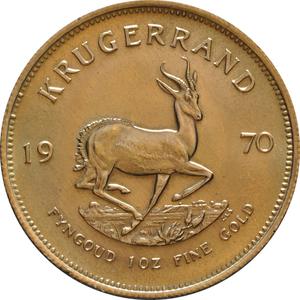
Discover the history of South Africa's landmark gold bullion coin, from its 1967 launch to its place as one of the most recognised investment coins in the world.
The Gold Krugerrand is a South African gold bullion coin first issued in 1967. It was created to make South African gold accessible to private buyers and helped define the modern bullion coin market.
The one-ounce Gold Krugerrand is struck in 22-carat gold and contains one full troy ounce of fine gold. Its copper alloy gives the coin a warmer colour than many 24-carat bullion coins and makes it more durable for handling, storage and long-term ownership.
The Gold Krugerrand is one of the clearest examples of a bullion coin becoming a global brand. Its design continuity, long history and simple gold-content story make it easy for collectors and investors to understand.
Gold Krugerrands appeal to buyers who want a globally recognised bullion coin with a long track record. The design has remained familiar for decades, the coin is widely traded, and the one-ounce version gives buyers a straightforward way to hold a full troy ounce of gold.
The Krugerrand also has historic importance. It was not simply another gold coin; it helped create the modern bullion coin market and influenced later programmes such as the Canadian Maple Leaf, American Eagle, Britannia and Australian Kangaroo.
Main advantages
Global recognition: Krugerrands are known by dealers and collectors around the world.
Long history: the series dates back to 1967, giving it stronger heritage than many modern bullion coins.
Simple gold story: the one-ounce coin contains one full troy ounce of fine gold.
Durable alloy: the 22-carat composition gives the coin added resistance to handling marks compared with softer 24-carat coins.
Fractional options: smaller sizes allow buyers to access the series without purchasing a full one-ounce coin.
Strong liquidity: common bullion dates are usually easy to price and compare against the live gold spot price.
Collector note
If you are comparing one-ounce gold bullion coins, always compare the total price against the live gold price rather than judging by headline coin price alone. Krugerrands are widely traded, but premiums can still vary between dealers and dates.
Gold Krugerrand history and timeline
The Gold Krugerrand was introduced in 1967 to promote South African gold ownership through a coin that could be traded close to its gold value. Its success helped shape the modern bullion market, particularly during the 1970s when private gold ownership and investment demand expanded internationally.
The coin's history also includes a complicated sanctions period, when trade restrictions affected availability in some countries. Today, the Krugerrand remains one of the best-known bullion names and continues to be issued in gold, silver and platinum formats.
1967The first one-ounce Gold Krugerrand is issued.
1970sThe Krugerrand becomes closely associated with private gold investment.
1980Fractional sizes are introduced, broadening access to the series.
1980sSanctions and trade restrictions affect international availability.
1990sThe coin returns more fully to global bullion markets.
2017The 50th anniversary renews collector interest across the Krugerrand family.
The birth of a modern bullion coin
Before the Krugerrand, many gold coins were primarily understood as historic currency or numismatic pieces. The Krugerrand helped popularise the idea of a modern coin created specifically for private gold ownership, with value closely tied to its gold content.
The 1970s expansion
The 1970s were an important decade for the Krugerrand. As gold became more prominent in private investment discussions, the Krugerrand became one of the best-known ways to buy a one-ounce gold coin.
The modern Krugerrand
Modern Gold Krugerrands continue the original design language. That continuity is part of the appeal: collectors can compare coins across decades while seeing the same Paul Kruger and springbok pairing that made the series famous.
Paul Kruger and the springbok design
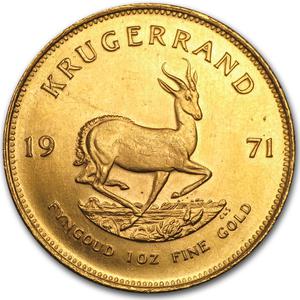
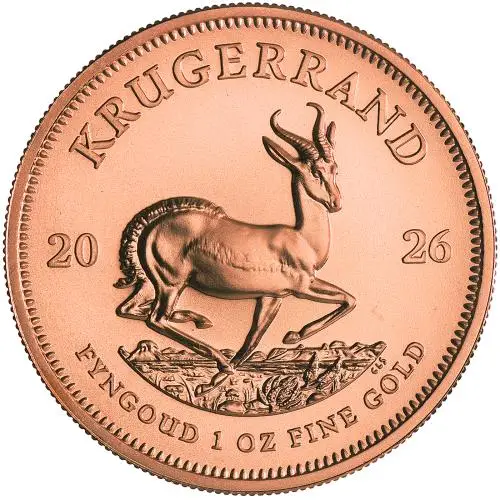
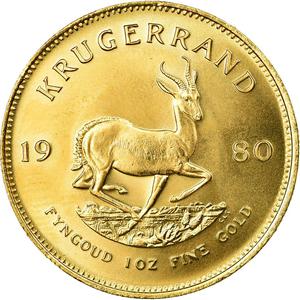
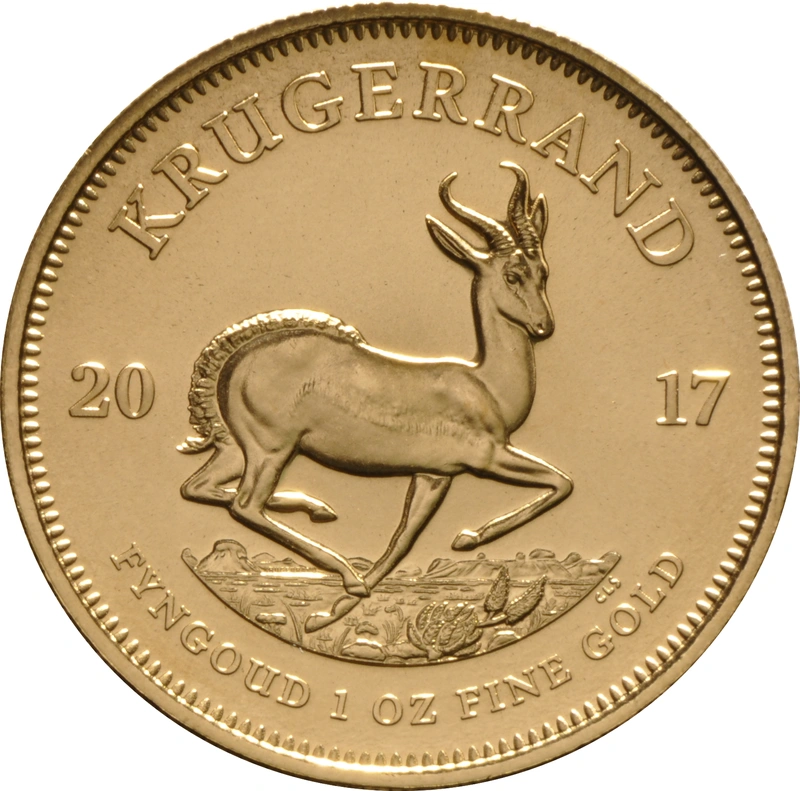
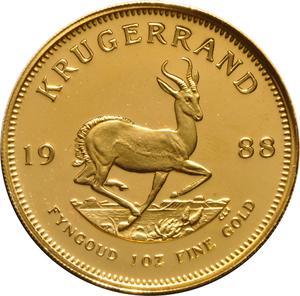
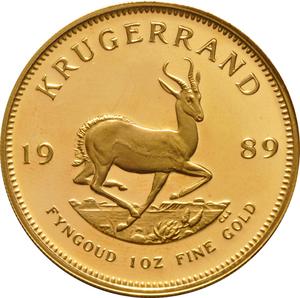
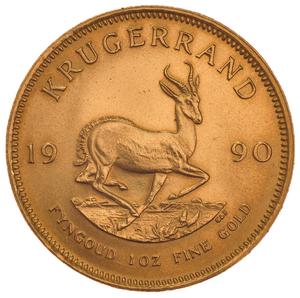
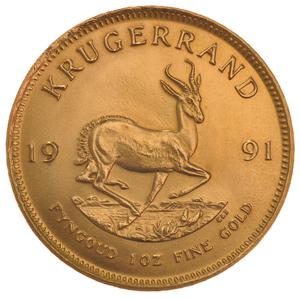
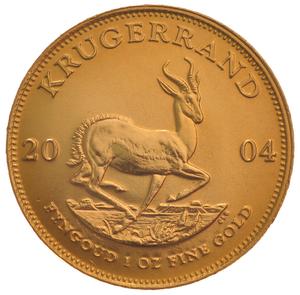
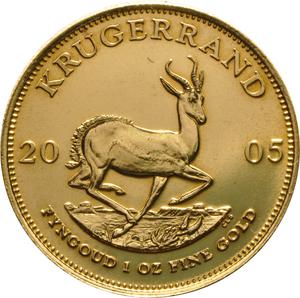
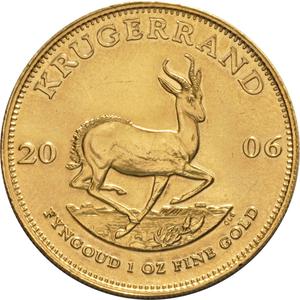
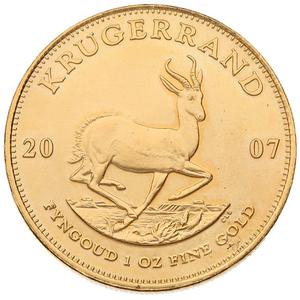
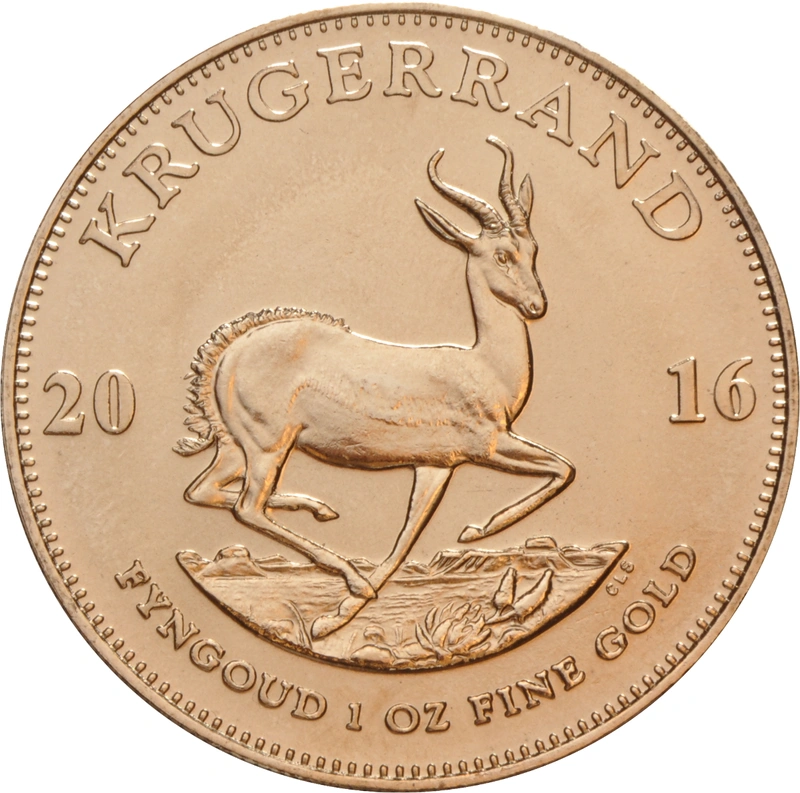
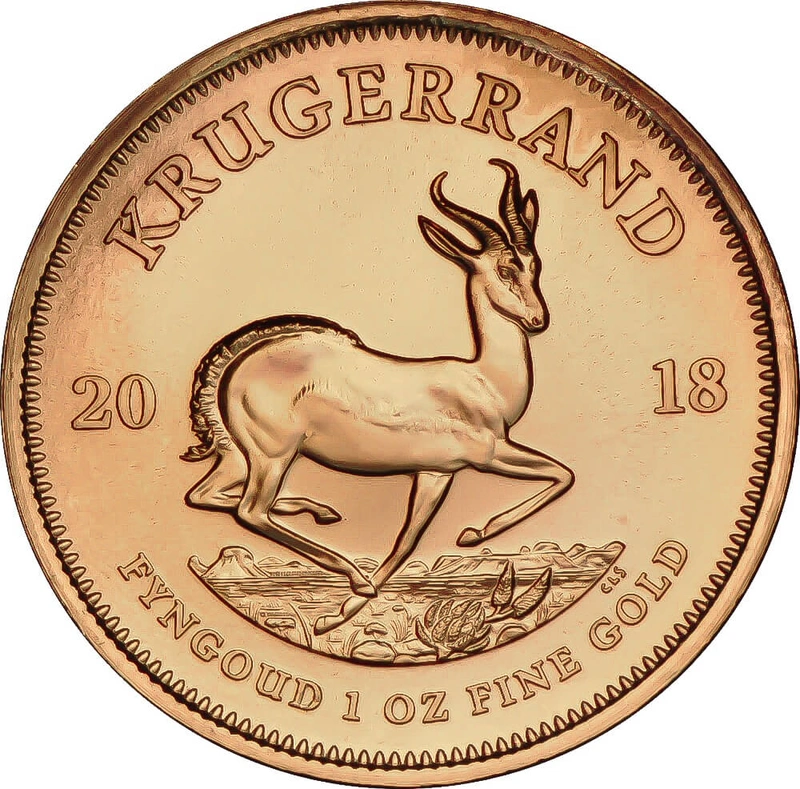
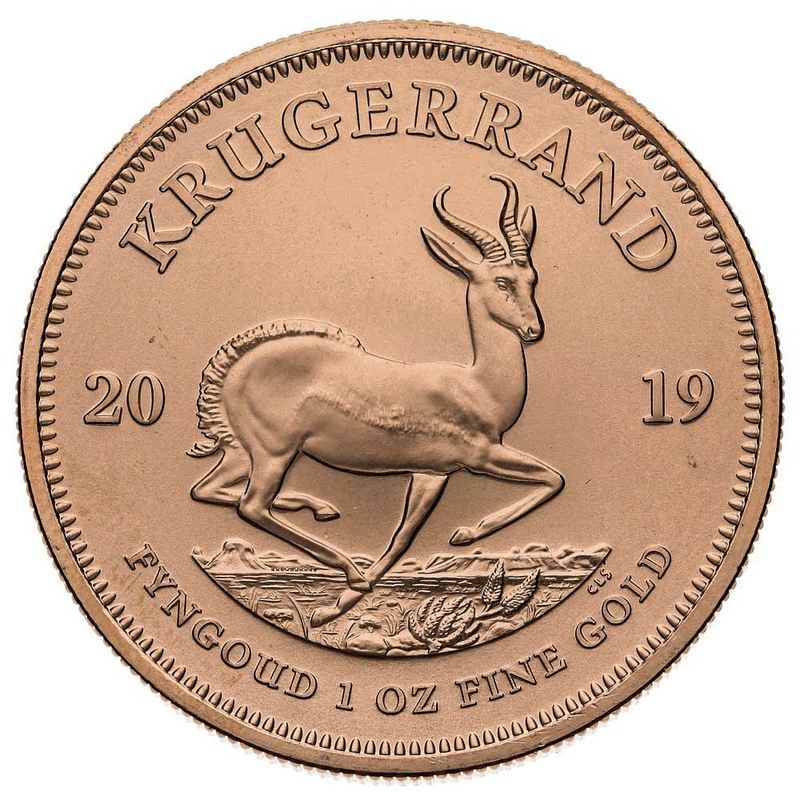
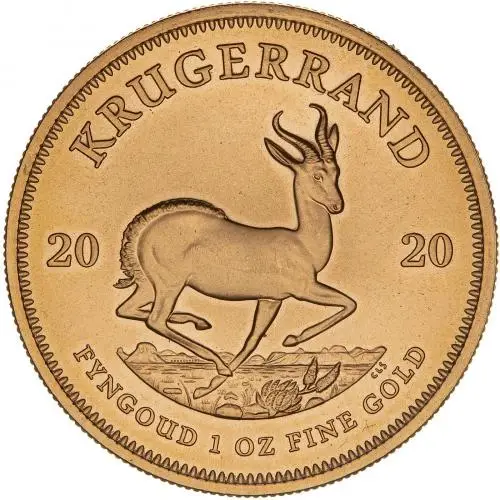
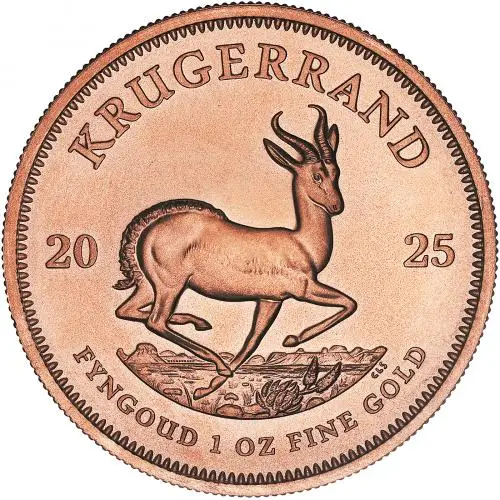
The Gold Krugerrand is instantly recognisable because it has kept the same core design pairing since 1967. The obverse shows Paul Kruger, former president of the South African Republic, while the reverse shows the springbok antelope, a national symbol of South Africa.
Paul KrugerObverse portrait
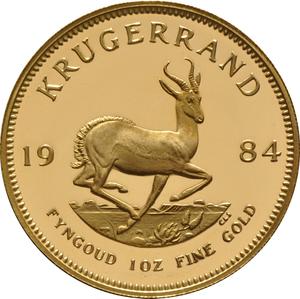
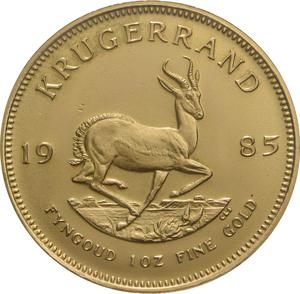
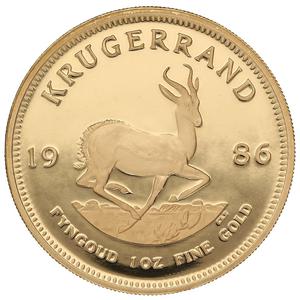
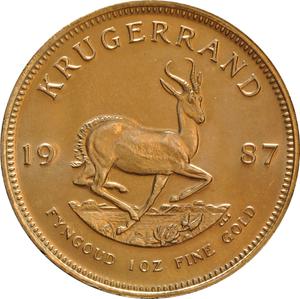
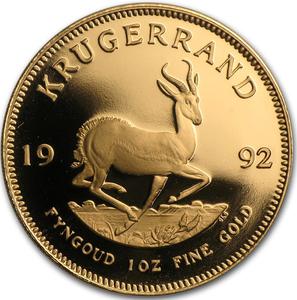
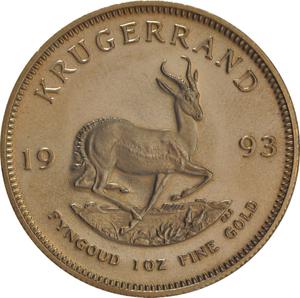
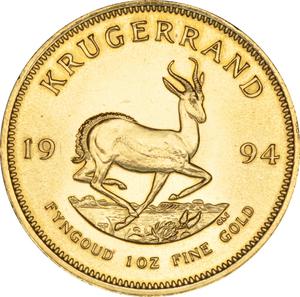
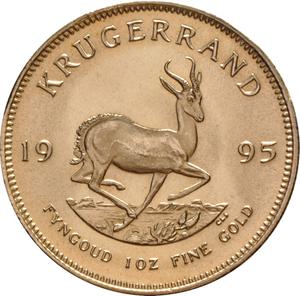
SpringbokReverse design
Otto SchultzObverse designer
Coert SteynbergReverse designer
Why Paul Kruger appears on the coin
Paul Kruger's portrait gives the coin its name and historical identity. The design connects the modern bullion coin to South African history while making the coin visually distinct from other international bullion series.
Why the springbok matters
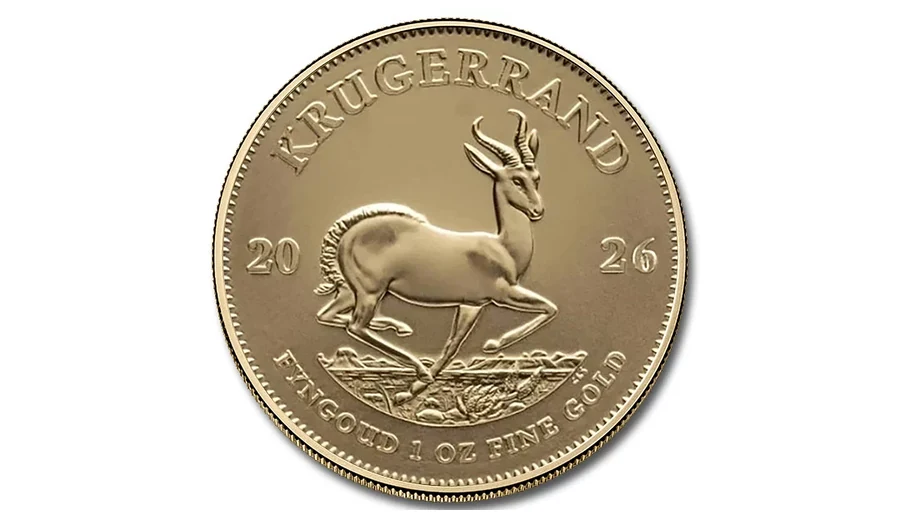
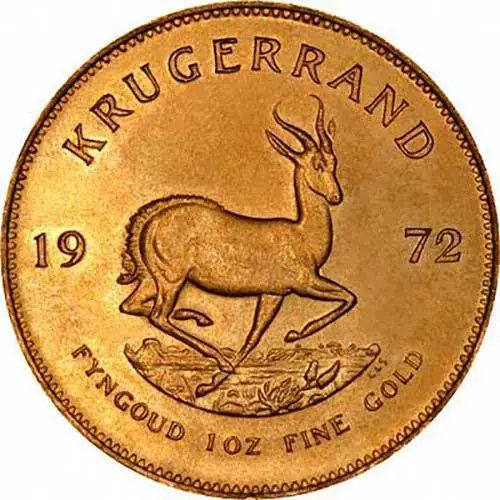
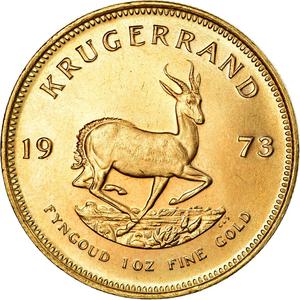
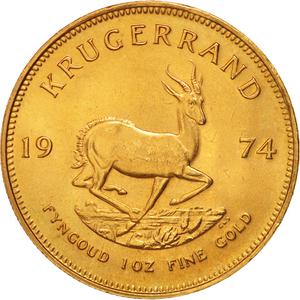
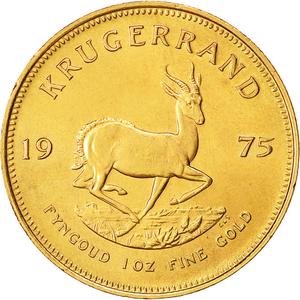
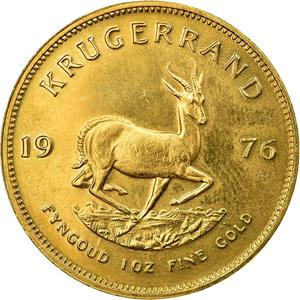
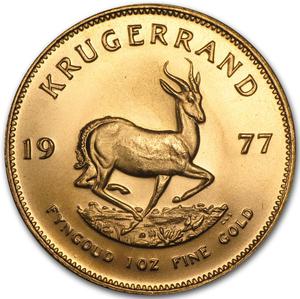
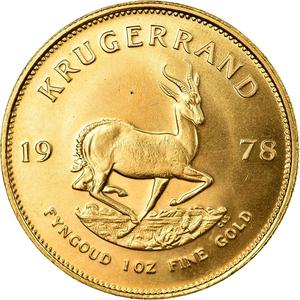
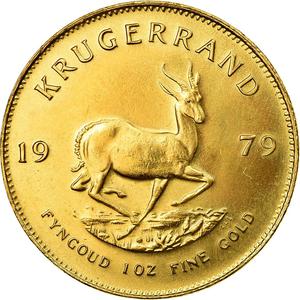
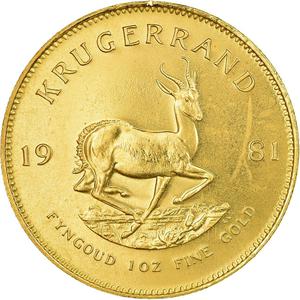
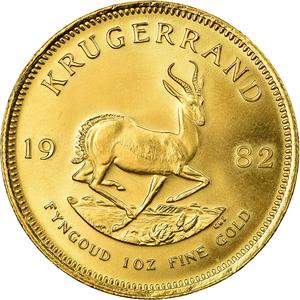
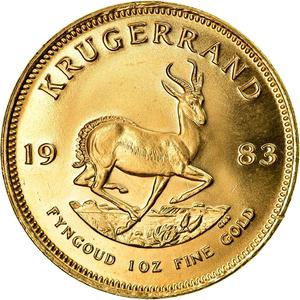
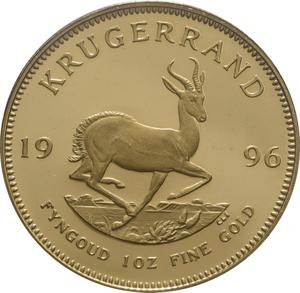
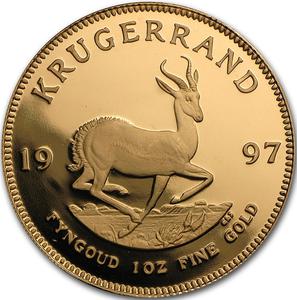
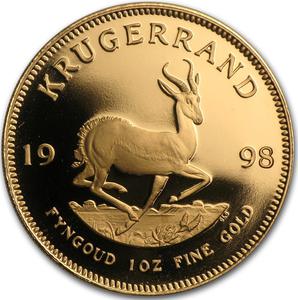
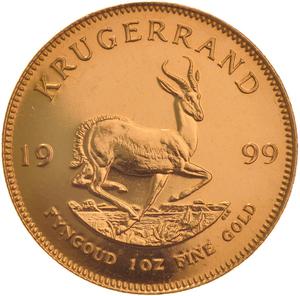
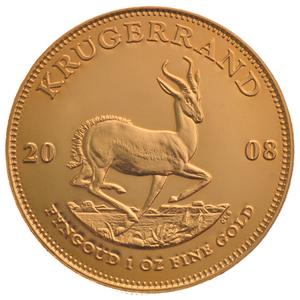
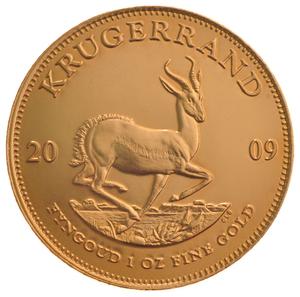
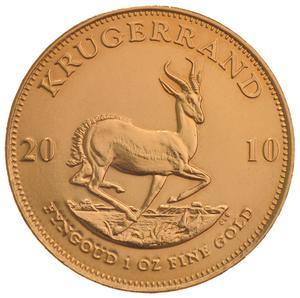
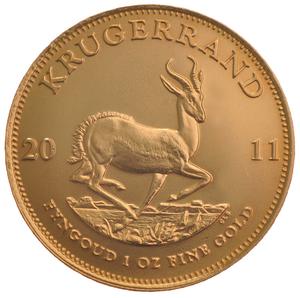
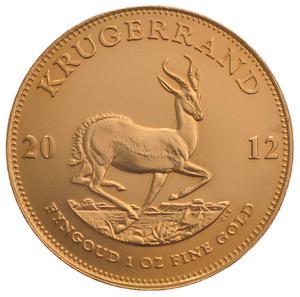
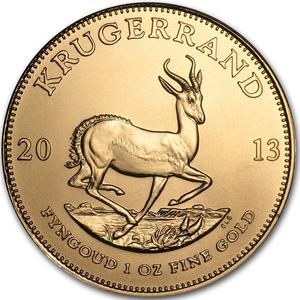
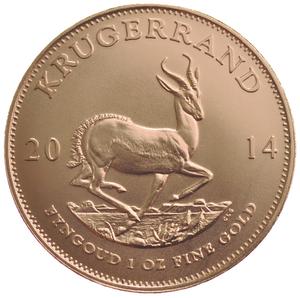
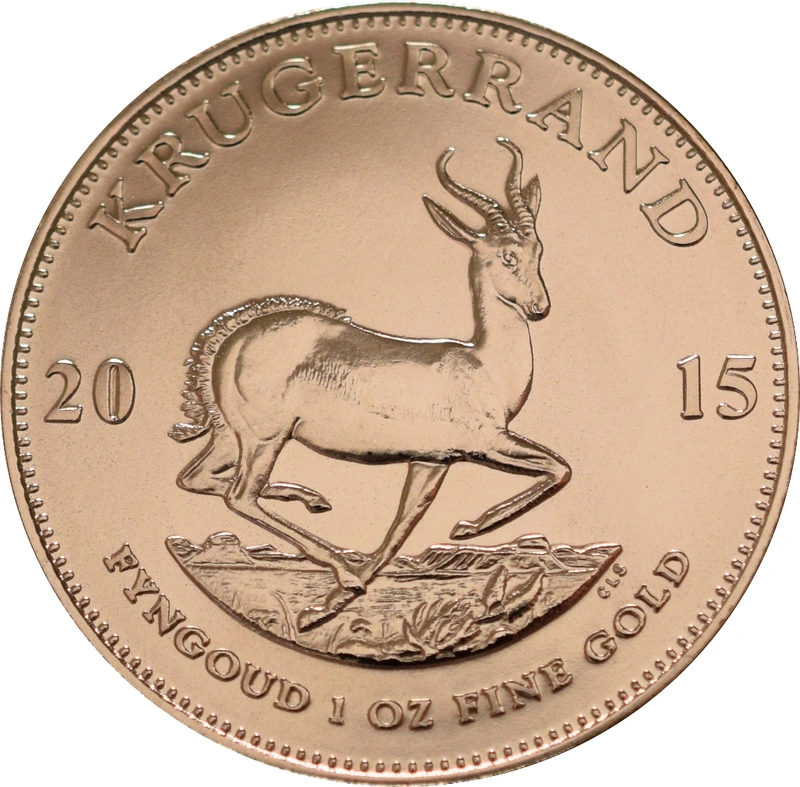
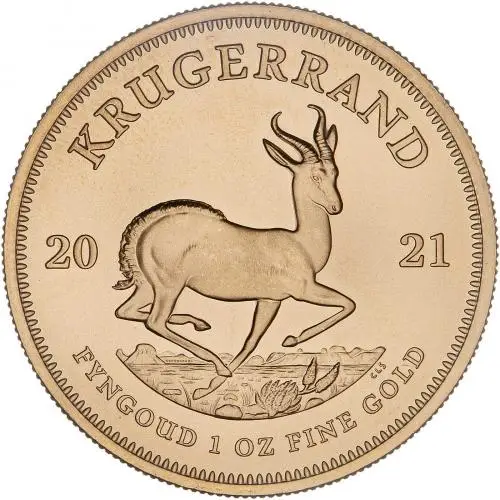
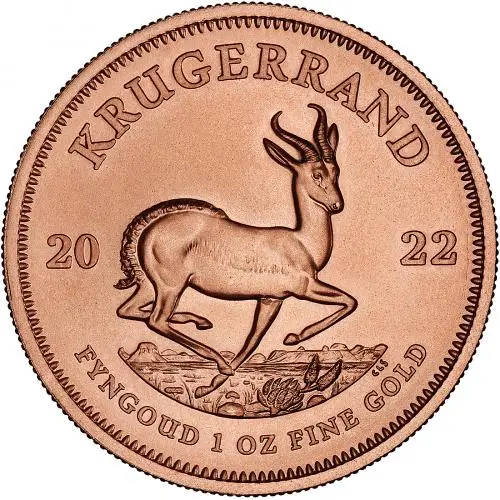
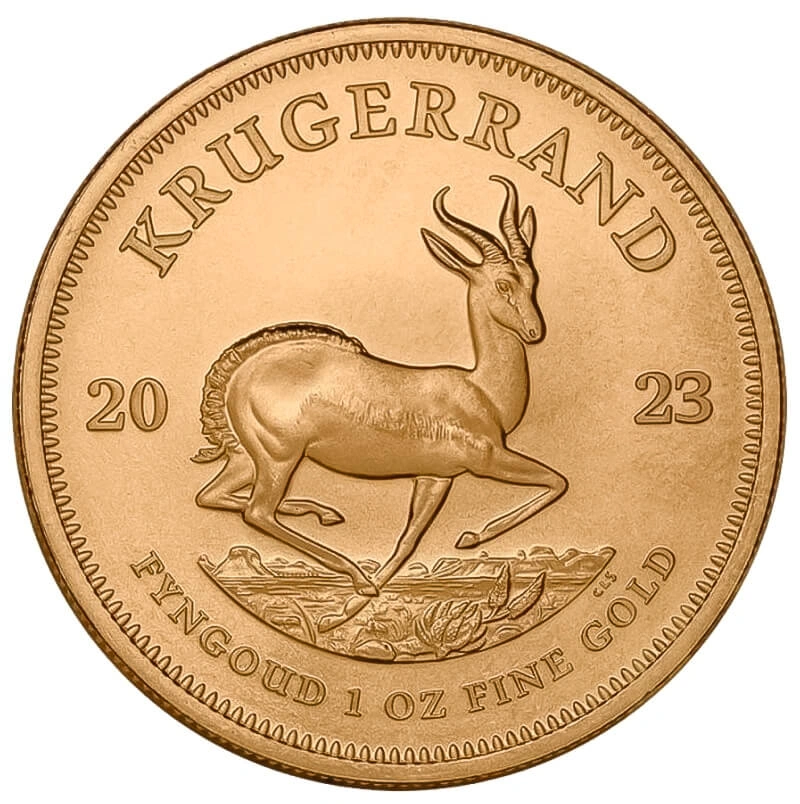
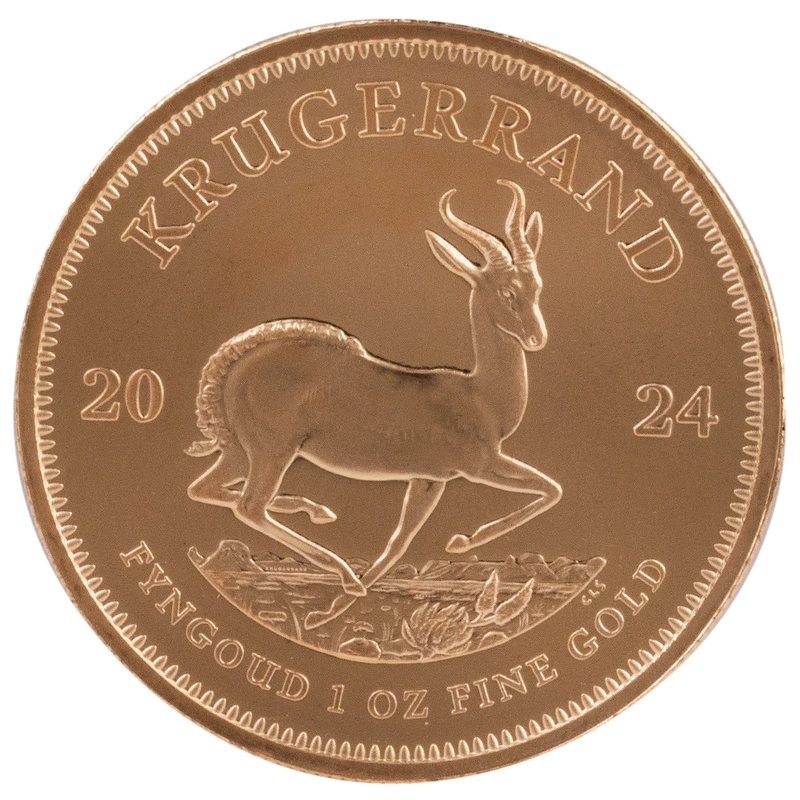
The springbok reverse is one of the most recognisable bullion designs in the world. Its continuity across decades gives the Krugerrand a strong visual identity and makes date comparisons straightforward for collectors.
The Krugerrand does not use the same visible security system as a modern Britannia, but it still gives collectors several important checks. Authenticating a Krugerrand is about combining fine design detail, precise physical specifications and careful inspection under good light.
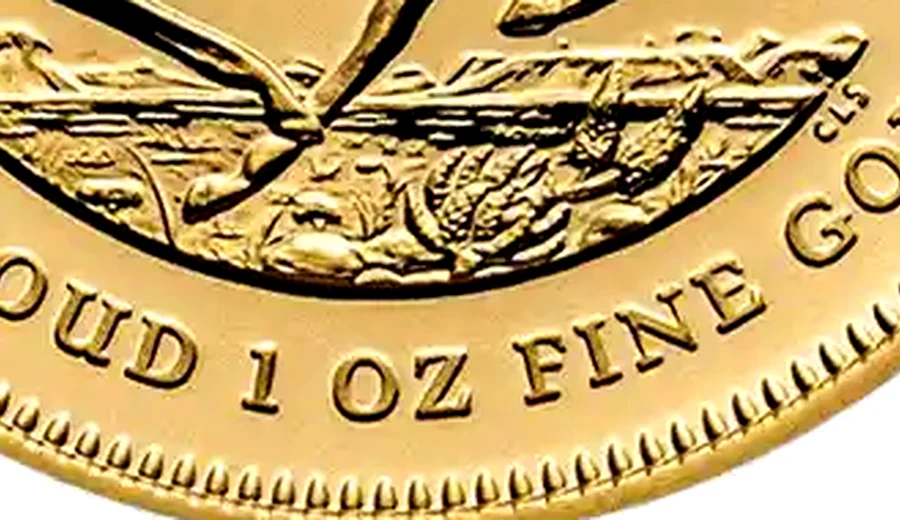
Modern issues may also include very small year-specific micro-text detail. Use magnification and compare the coin with trusted reference images for the same year rather than relying on one feature alone.
Authentication detail
Year-specific micro-text
On modern issues, inspect the fine lettering and tiny year-specific detail with magnification. The position and clarity should be checked against trusted reference images for that exact year.
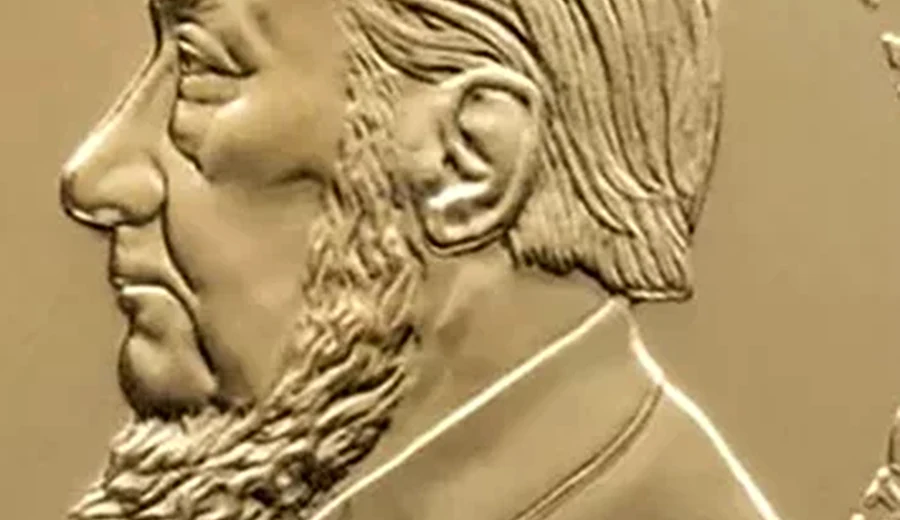
Portrait detail
Paul Kruger portrait
The portrait should show crisp hair, beard, facial features and lettering. Soft detail, weak relief or uneven surfaces can be a warning sign when compared with a genuine reference coin.
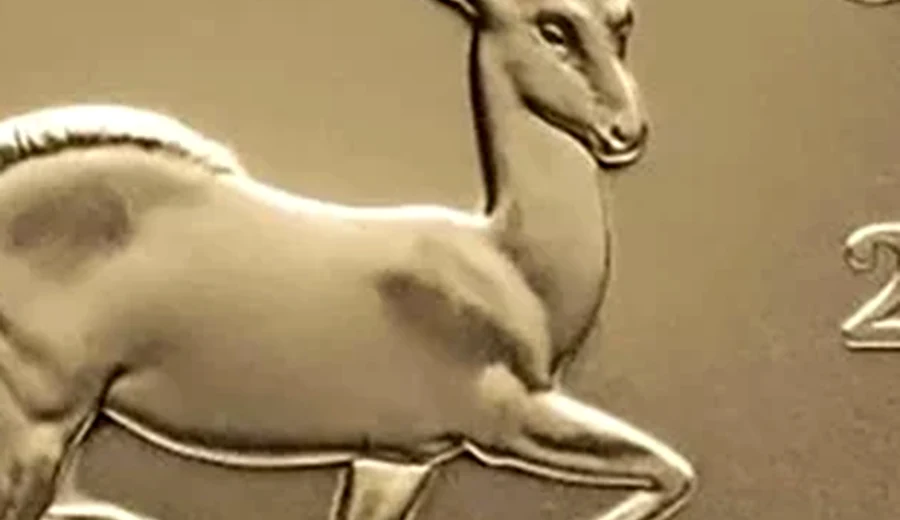
Reverse detail
Springbok detail
The springbok should have sharp outline, clean horn detail and well-defined body contours. The surrounding field and date should also look clean and consistent.
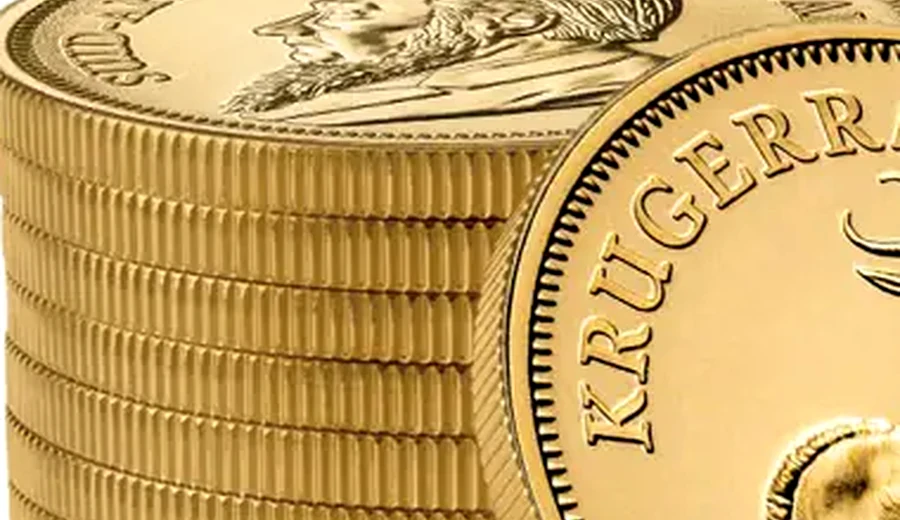
Edge check
Reeded edge
The edge should show even, consistent milling. A genuine bullion Krugerrand is known for its precise reeded edge, so irregular spacing, soft edges or obvious seams deserve caution.
Reference image
Full coin reference
Use a full reference image to compare the overall layout, date position, lettering, springbok design and finish before focusing on individual close-up details.
Authentication checklist
Check the weight, diameter and thickness against the correct Krugerrand size.
Inspect the reeded edge for even, consistent milling around the full coin.
Compare the Paul Kruger portrait, springbok detail, lettering and date with trusted reference images.
Use magnification to inspect fine micro-text detail on modern issues where applicable.
Be cautious of soft details, casting marks, uneven colour, suspiciously low prices or missing purchase history.
Authentication tip
Do not rely on one visual feature alone. A strong check combines physical measurements, edge inspection, design comparison and a trusted buying source.
Gold Krugerrand sizes and specifications
The one-ounce Gold Krugerrand is the classic format, but fractional sizes give buyers more flexibility. This makes the series suitable for both larger purchases and smaller, more regular additions to a collection.
1ozClassic flagship size
1/2ozMid-size fractional
1/4ozPopular smaller format
1/10ozAccessible entry size
Specification
1oz Gold Krugerrand
Fine gold content
1 troy ounce
Purity
22 carat / .9167 fine
Gross weight
Around 33.93g
Diameter
Around 32.77mm
Thickness
Around 2.84mm
Edge
Reeded
Alloy
Gold with copper
Did you know?
A one-ounce Gold Krugerrand contains one full troy ounce of fine gold even though the coin is 22 carat. The additional copper alloy increases the gross weight rather than reducing the pure gold content.
Gold Krugerrand annual releases
The one-ounce Gold Krugerrand has one of the longest-running modern bullion histories. For many collectors, the appeal is not a constantly changing design but the continuity of an iconic coin across decades.
Gold Krugerrand annual releases
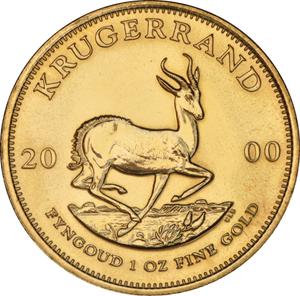
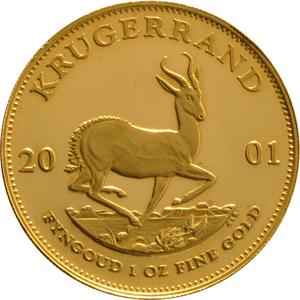
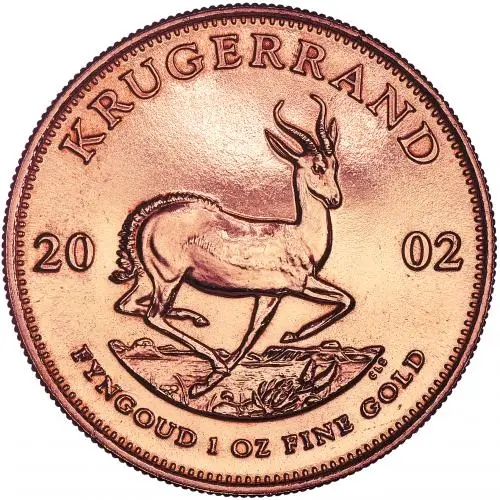
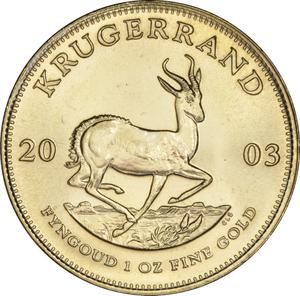
Explore the one-ounce Gold Krugerrand run, from the original 1967 issue through to the latest annual coins.
Gold Krugerrands are easy to understand, but buyers should still compare them carefully. The main decision is usually whether to buy a one-ounce coin, choose a fractional size, or compare the Krugerrand against another popular bullion coin such as a Britannia, Maple Leaf or American Eagle.
Check the premium
The premium is the amount you pay above the metal value. Krugerrands are widely traded, so premiums are often competitive, but they can still vary by dealer, stock level, condition and market demand.
Understand 22-carat gold
Some beginners assume 22-carat means a one-ounce Krugerrand contains less gold than a one-ounce 24-carat coin. The one-ounce Krugerrand contains one troy ounce of fine gold; the copper alloy simply increases the gross weight and durability.
Compare bullion and proof
Bullion Krugerrands are generally bought for gold exposure and liquidity. Proof Krugerrands are collector pieces with different presentation, finish and premium behaviour. Make sure you know which version you are buying.
Think about storage
Gold Krugerrands are compact, but they should still be stored safely. Capsules, tubes, secure home storage, insured storage or professional vaulting may all be relevant depending on the size of your collection.
Buyer's checklist
Compare the total price against the live gold spot price.
Check whether the coin is bullion, proof or a special collector issue.
Confirm the size and fine gold content before buying.
Inspect condition, edge detail and strike quality if buying on the secondary market.
Record the purchase details so you can track value over time.
Common mistakes
Confusing gross weight with fine gold weight: the alloy makes the coin heavier than one troy ounce, but the one-ounce coin still contains one troy ounce of fine gold.
Overpaying for common dates: many dates are primarily bullion pieces, so check whether the premium is justified.
Ignoring fractional premiums: smaller coins are flexible but often cost more per ounce.
Mixing proof and bullion goals: proof coins can be beautiful, but they are not always the cheapest way to buy gold content.
Gold Krugerrand series scorecard
This quick scorecard helps compare the Gold Krugerrand with other flagship bullion series.
Category
Rating
Why it matters
Beginner friendly
★★★★★
Simple one-ounce gold story and strong market recognition.
Liquidity
★★★★★
One of the most widely recognised gold bullion coins.
Collectability
★★★★☆
Long date run, anniversary interest and fractional options.
Premium awareness
★★★★☆
Common bullion dates can be competitive, but fractionals and proofs need careful comparison.
Design continuity
★★★★★
The Paul Kruger and springbok pairing has remained highly recognisable since 1967.
Gold Krugerrand FAQs
Is a Gold Krugerrand real gold?
Yes. Gold Krugerrands are real gold bullion coins. The classic one-ounce coin is 22 carat and contains one troy ounce of fine gold.
Why are Krugerrands 22 carat?
The 22-carat alloy includes copper, which gives the coin a warmer colour and improved durability. The one-ounce version still contains one troy ounce of fine gold.
Are Gold Krugerrands good for beginners?
They can be a strong choice for beginners who want a widely recognised one-ounce gold coin. Buyers with smaller budgets may prefer fractional Krugerrands or a different fractional gold series.
Do Krugerrands have a face value?
No fixed face value is shown on the coin. Its value is linked to gold content, market price, condition and premium.
Are Krugerrands better than Britannias?
Neither is automatically better. Krugerrands offer global recognition and a long history, while Britannias have UK legal tender status and a different tax profile for UK residents. Many collectors compare both before buying.
What is on the reverse of a Krugerrand?
The reverse shows a springbok antelope, designed by Coert Steynberg. It is one of the most recognisable images in modern bullion coinage.
How do I authenticate a Gold Krugerrand?
Use several checks together: weight, diameter, thickness, reeded edge, lettering quality, Paul Kruger portrait detail and the springbok reverse. On modern issues, use magnification to inspect fine micro-text detail where applicable.
Does the Krugerrand have modern security features?
The Krugerrand does not use the same visual security system as the Britannia. Authentication relies more on precise specifications, strike quality, design detail, edge milling and, on modern issues, fine micro-text detail.
Can Krugerrands be collected by year?
Yes. Many collectors build date runs, especially around early years, anniversary dates or modern annual issues.
Are fractional Krugerrands worth buying?
Fractional Krugerrands can be useful for smaller budgets and flexible selling, but they often carry higher premiums per ounce than the one-ounce coin.
Collector verdict
The Gold Krugerrand remains one of the most important bullion coins ever issued. It is simple to understand, globally recognised and backed by more than half a century of collecting and investment history.
For buyers who want a classic one-ounce gold coin with strong liquidity and a durable 22-carat composition, the Krugerrand is still one of the benchmark choices. The main points to compare are premium, size, tax position and whether a UK-focused alternative such as a Britannia better matches your goals.